Condition of the Month · October 2026
Alopecia Totalis & Universalis
When hair loss becomes total — and why it deserves a closer look later in life
What it is
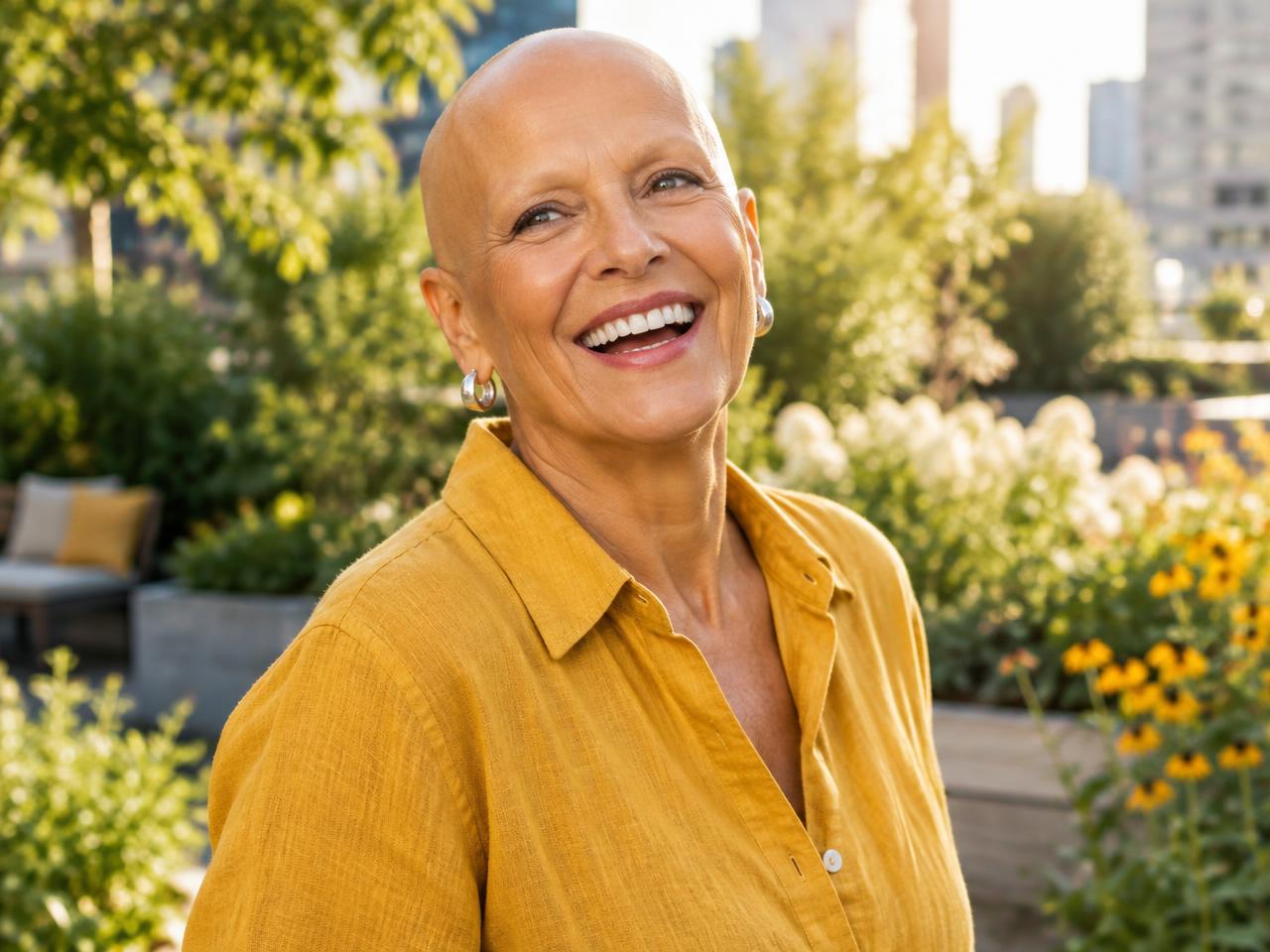
Both are advanced forms of alopecia areata, an autoimmune condition in which the immune system targets hair follicles. Alopecia totalis is the complete loss of scalp hair. Alopecia universalis is the loss of all scalp and body hair, including eyebrows and eyelashes.
The follicles are usually not destroyed, so regrowth remains possible. It isn't contagious, and it isn't caused by anything you did.
Why it's different in older adults
Alopecia areata most often begins before age 40. When widespread hair loss starts after 50 or 60, doctors usually want to rule out other causes first — thyroid problems, low iron, vitamin D or B12, side effects of new medicines, and other autoimmune conditions.
Some scarring types of hair loss, such as frontal fibrosing alopecia, are more common after menopause and can look similar at first. A careful scalp exam — sometimes a small biopsy — helps tell them apart.
Treatment today
Since 2022, a group of oral medicines called JAK inhibitors — baricitinib (Olumiant), ritlecitinib (Litfulo) and deuruxolitinib (Leqselvi) — has been approved for severe alopecia areata. Some people see meaningful regrowth.
These medicines carry boxed safety warnings about serious infections, heart events, blood clots and some cancers, with higher risk in people over 50 who have heart risk factors. For older adults, the conversation about benefits and risks really matters.
Many people also choose wigs, eyebrow and lash options, or simply going without. Every choice is valid.
Everyday comfort
Without hair, the scalp burns easily — a hat or sunscreen helps. Losing eyelashes can let dust into the eyes, so glasses outdoors can make a difference. Peer support groups, such as the National Alopecia Areata Foundation and the Canadian Alopecia Areata Foundation, can help with the emotional side.
Note before your visit
- When the hair loss started and how quickly it spread
- Which areas are affected — scalp, eyebrows, lashes, body
- Any new medicines or supplements in the past six months
- Recent illness, surgery or major stress
- Family history of thyroid disease or other autoimmune conditions
- Photos over time, if you have them
Questions to ask
- Could this be alopecia areata, or should we first rule out thyroid, iron or medication causes?
- Do I need a scalp exam or biopsy to rule out a scarring type of hair loss?
- Which blood tests make sense for me?
- Am I a candidate for a JAK inhibitor, given my heart health, age and other medicines?
- What regrowth is realistic, and how long before we'd know if treatment is working?
- Should I see a dermatologist, and how soon?
Noticing changes of your own?
A short symptom check helps you organise what you're experiencing before you talk to your doctor.
Start a Symptom CheckGet next month's condition by email
One calm email a month. No spam, unsubscribe anytime.
Sources
- American Academy of Dermatology — Alopecia areata
- U.S. FDA — First systemic treatment for alopecia areata
- National Alopecia Areata Foundation
- Canadian Alopecia Areata Foundation
This page is for education and preparation only. It is not medical advice or a diagnosis — please talk with your doctor about your own situation.